
History of Dolpo: A Remote Himalayan Region
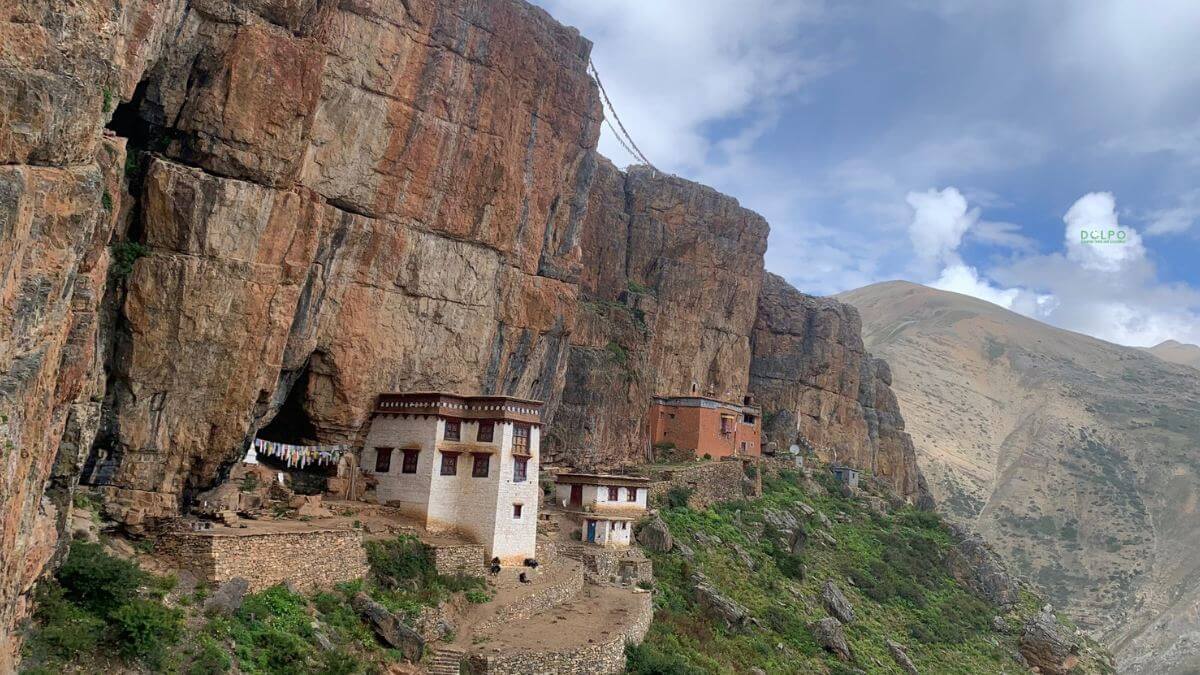
Dolpo is way up in the far northwest of Nepal and is one of the most remote and high places in the Himalayas. Its rough mountains, deep valleys, and far-off location have kept it mostly untouched by the outside world for hundreds of years. Learning about Dolpo history lets visitors see a place where the land, trade, and beliefs shaped a unique and strong culture.
Unlike a lot of other parts of Nepal, Dolpo’s past wasn’t shaped by battles or invasions. The first people who lived there built their lives around trade across the Himalayas and old spiritual traditions, creating villages and customs that are still there today. This blog will look at Dolpo history, from the first settlements and trade routes to religious roots and cultural traditions, giving a clear introduction to this amazing Himalayan region.
Discover the key aspects of Dolpo’s past to appreciate its unique culture today with Dolpo Caravan Trek.
Geographic Isolation and the Origins of Dolpo
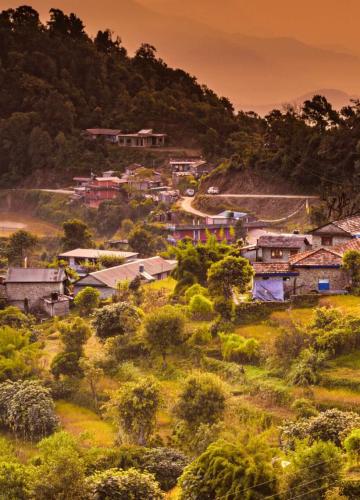
Dolpo’s high valleys and natural barriers had a big impact on its history. The mountains, rivers, and rough land made it hard to get in or out, which kept outside influence low and helped protect local culture. Being so isolated affected how people set up their villages, farmed, and lived together, letting unique traditions grow over hundreds of years.
The land in Dolpo also shaped how people moved and survived through the seasons. Villages were usually built in valleys that were safe from strong winds, and trade became really important to get things they couldn’t make or find nearby.
For readers curious about Dolpo’s unique geography, see our page on Dolpo’s landscape and natural features.
Early Settlements and Tibetan Influence
The first people in Dolpo came from the Tibetan plateau, bringing their culture, language, and way of life, which still affect the region today. The language, buildings, and everyday habits of local people show a strong Tibetan influence, which became the base of what we now call Dolpo culture.
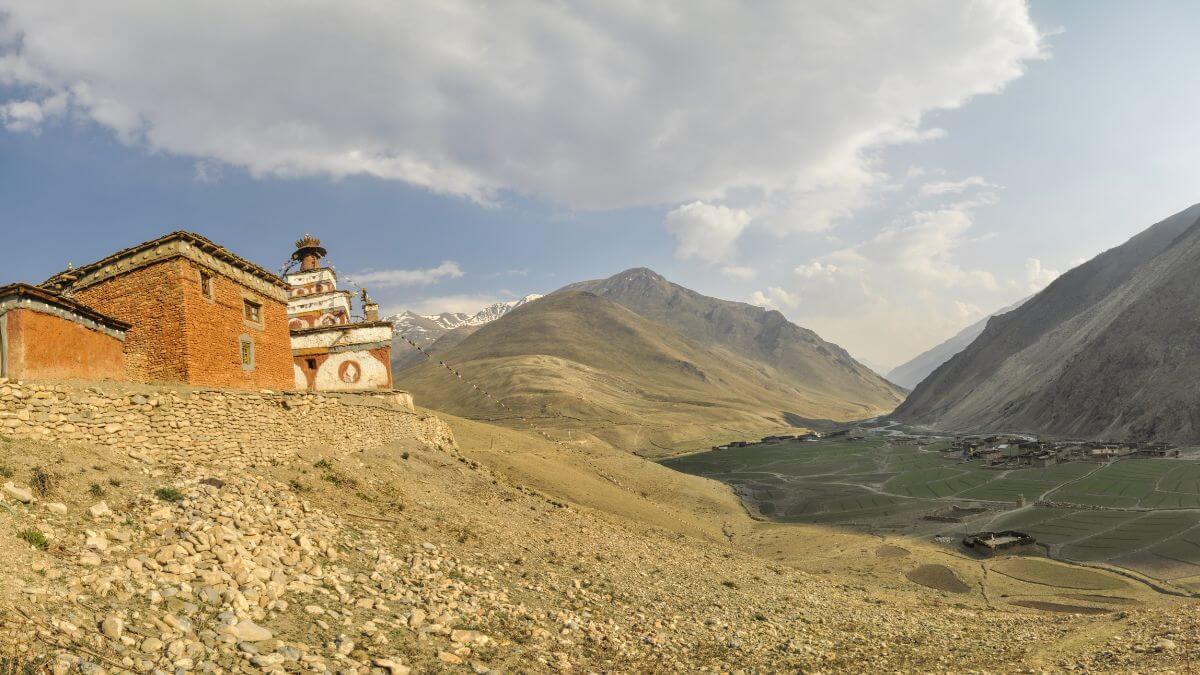
These early villages were small and could take care of themselves. People mainly raised yaks, farmed barley, and kept herds, building close communities that balanced surviving in the high mountains with keeping their traditions alive.
Learn more about the ethnic groups of Dolpo and their unique traditions on our dedicated page.
Dolpo and the Ancient Trans-Himalayan Trade Routes
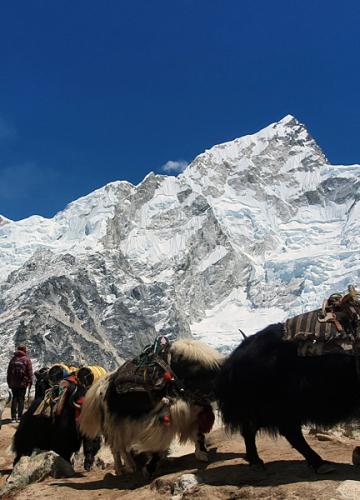
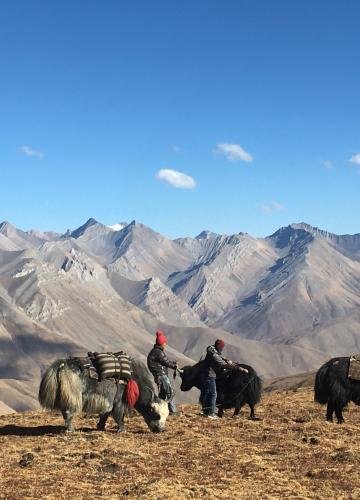
Dolpo used to be an important link between Tibet and the lower parts of Nepal. Traders traveled with caravans and yaks depending on the season, bringing salt, wool, grains, and other supplies. These trade routes influenced where villages were built, how people made a living, and how they survived, creating a culture that grew strong even while being isolated.
Trade didn’t just bring goods - it also helped ideas and culture spread, affecting the language, religion, and social customs throughout Dolpo.
Explore a deeper look at Dolpo’s trade history and caravan routes on our trade-focused page.
Bon Beliefs and the Spiritual Foundations of Dolpo
Before Buddhism came to Dolpo, the region was strongly influenced by Bon, an old spiritual tradition. Bon shaped the sacred places, rituals, and the way people saw the world, focusing on living in harmony with nature and being spiritually aware every day. Learning about Bon helps explain how Dolpo’s later religious practices developed.
Bon Religion in Dolpo
Bon’s long history in Dolpo created a spiritual base that affected buildings, meditation spots, and community life. Even today, traces of this old belief system can be seen in modern villages, showing a lasting respect for sacred places.
Arrival of Tibetan Buddhism and Monastic Life
Buddhism came to Dolpo centuries later and existed alongside Bon. Monasteries became places for learning, keeping religious texts, and preserving cultural knowledge. Places like Shey became important for their monastic history, connecting local traditions with wider Tibetan Buddhist practices.
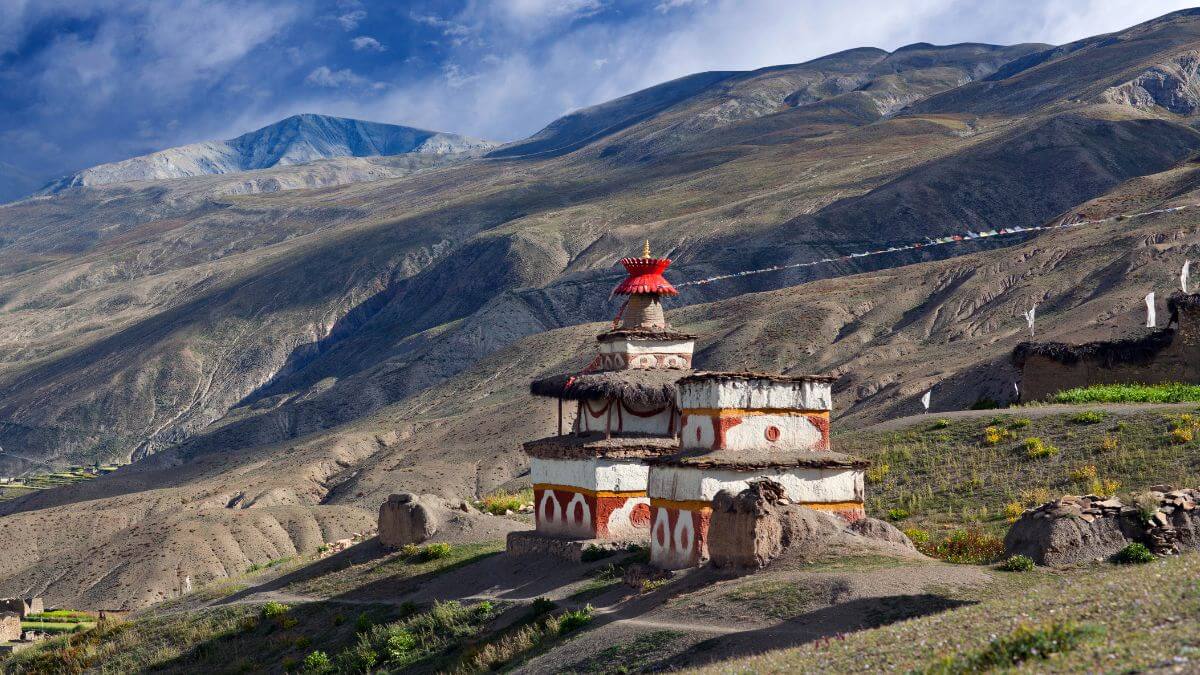
Visitors can read more about Shey Gompa and its historical significance on our monastery-focused page.
Dolpo’s Place Between Kingdoms and Borders
Dolpo’s position between Tibet and the Himalayan kingdoms meant it felt some political influence but still stayed mostly independent. Its far-off valleys and self-reliant communities helped traditions and culture stay mostly unchanged, keeping parts of Dolpo history unique compared to other areas of Nepal.
Isolation, Closure, and the Modern Era
For hundreds of years, Dolpo stayed mostly closed to outsiders, and limited access helped keep its culture intact. Even now, with tourism, strict permit rules make sure the region’s heritage is protected. This long period of isolation has kept Dolpo’s historic sites and social traditions well preserved.
Discover more about Dolpo’s modern context and cultural preservation on Dolpo Nepal.
How History of Dolpo Still Shapes Life in Dolpo Region
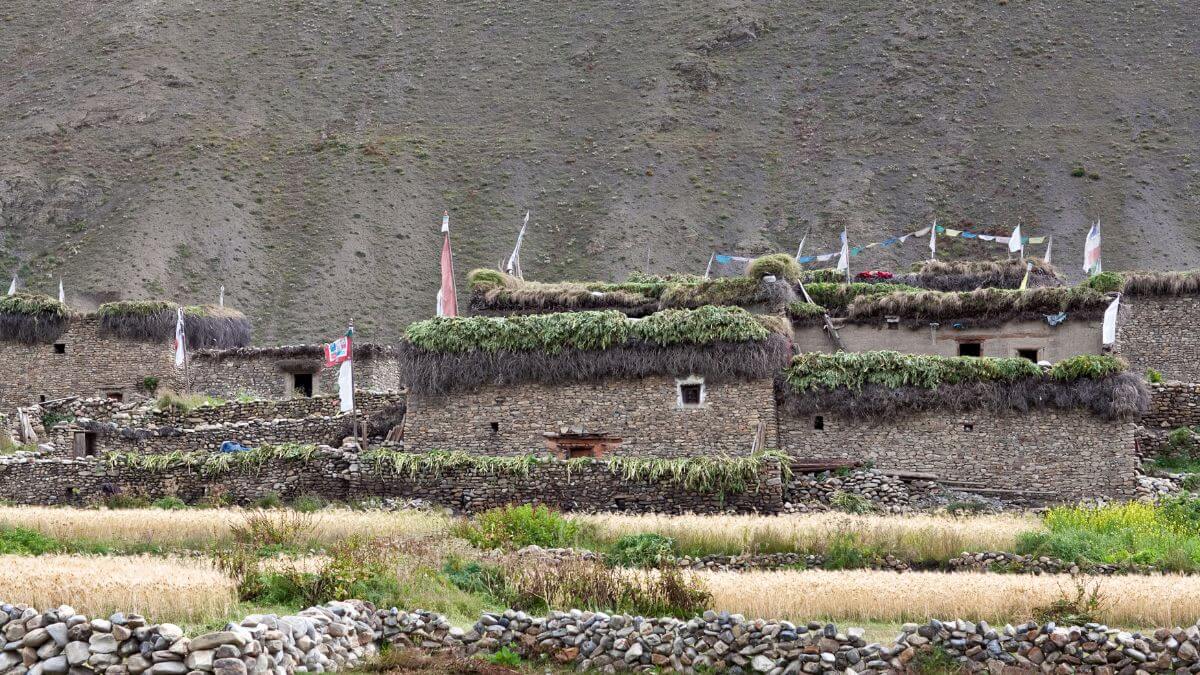
You can see Dolpo’s history in its buildings, seasonal movements, religious practices, and how people take care of the land. Villages show hundreds of years of adapting to life at high altitudes, and the balance between Bon and Buddhism still shapes daily life. Noticing these patterns helps visitors understand the link between the past and the present.
Why Understanding Dolpo’s History Matters for Visitors
Knowing about Dolpo history makes a trip there much more meaningful, showing the stories behind its villages, monasteries, and landscapes. Visitors who understand the region’s past are more likely to act respectfully, help local communities, and feel a closer connection to Dolpo’s culture and traditions.
Travel with Dolpo Caravan Trek
When you travel with Dolpo Caravan Trek, our experienced guides make Dolpo’s rich history and culture come alive. Our carefully planned trips highlight important historical sites, heritage spots, and local traditions, giving you a better understanding of this unique Himalayan region. By traveling responsibly with us, you also help protect Dolpo’s heritage and support the people who live there.
Start exploring Dolpo’s rich history with knowledgeable guidance from Dolpo Caravan. Contact us today!
All About Dolpo
Dolpo Region | Dolpo Himalaya | Dolpo Geography | Dolpo People & Ethnic Groups | Dolpo Flora & Fauna | Bon Religion in Dolpo | Shey Festival | Shey Gompa | Shey Phoksundo National Park | Phoksundo Lake | Dolpo Yarsagumba | Dolpo Caravan Trade
Popular Dolpo Trekking Packages
Upper Dolpo Trek | Lower Dolpo Trek | Beni Dolpo Trek | Phoksundo Lake Tea House Trek | Phoksundo Bon Cultural Trek | Mugu Dolpo Trek | Jumla Kagmara Dho Tarap Culinary Trek
FAQs
Where is Dolpo located in Nepal?
Dolpo is in the far northwest of Nepal, right next to Tibet. Its high valleys and remote land make it one of the most isolated places in the country.
Why is Dolpo considered historically significant?
Dolpo is important historically because it stayed isolated for a long time, had old trade routes, and kept Bon and Tibetan Buddhist culture alive. Its unique geography helped traditions last for hundreds of years.
How did trade routes influence Dolpo’s culture?
Old trade routes connected Dolpo with Tibet and lower Nepal, shaping villages, seasonal movements, and cultural exchange. This Dolpo trade and culture history created its unique way of life.
What were the main beliefs before Buddhism arrived?
Before Buddhism, Bon was the main religion in Dolpo. It affected spiritual practices, sacred places, and daily life, laying the foundation for later religious traditions.
How did Buddhism coexist with Bon in Dolpo?
Buddhism came to Dolpo without replacing Bon. Monasteries kept knowledge and practices alive while Bon traditions continued, making a layered spiritual culture.
Which areas preserve Dolpo’s history the most?
Remote villages, monasteries like Shey Gompa, and old trade villages keep Dolpo historical timeline and background alive through buildings, lifestyle, and religious practices.
How has isolation impacted Dolpo’s culture and lifestyle?
Being so isolated helped Dolpo keep its ancient Dolpo culture, heritage and traditions, and unique social systems. Limited outside influence preserved traditional ways of living and seasonal survival methods.
When is the best time to visit Dolpo to appreciate its heritage?
The best time to go is spring or autumn, when the weather is stable and trekking paths are open. This lets visitors fully enjoy Dolpo’s historical sites and local culture.

Leave Your Comment